Where the Night Sky Becomes the Journey
There is a moment that happens in truly dark places.
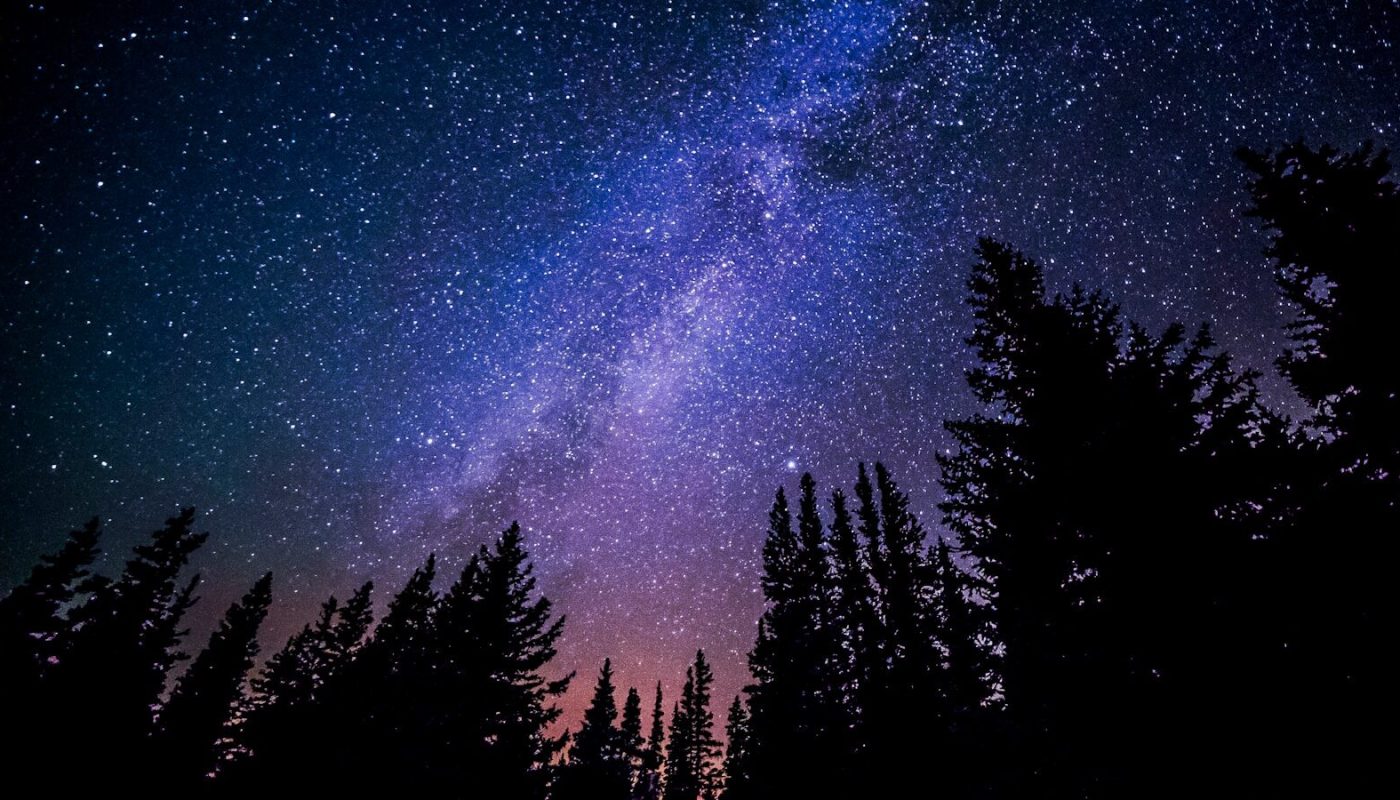
Your eyes adjust. The last traces of twilight disappear. Slowly, the sky reveals itself in a way most people rarely experience anymore. Thousands of stars appear. The Milky Way stretches across the night like a pale river of light.
In a world filled with illuminated cities and glowing screens, genuine darkness has become one of travel’s rarest luxuries.
For travelers seeking stillness, perspective, and a deeper connection to the natural world, dark sky destinations offer something extraordinary. These landscapes are protected from light pollution, allowing the night sky to return to its natural brilliance.
Around the world, deserts, mountains, and remote coastlines are now being preserved through programs such as the International Dark Sky Places initiative, which recognizes locations that actively protect the visibility of the night sky.
Many of these destinations combine exceptional astronomy with remarkable landscapes and thoughtful hospitality. The result is a journey that feels both expansive and deeply restorative.
Below are several of the world’s most remarkable dark sky destinations, where the night itself becomes part of the experience.
Atacama Desert, Chile
The Atacama Desert is widely considered one of the best places on Earth for stargazing. Its high elevation, extremely dry climate, and minimal cloud cover create extraordinary viewing conditions throughout the year.
Many of the world’s most powerful observatories operate here, drawn by skies that remain clear more than 300 nights annually. For travelers, this translates into remarkably vivid views of the Milky Way and southern hemisphere constellations rarely visible elsewhere.
Luxury desert lodges often incorporate guided astronomy programs into their guest experience, pairing professional telescopes with expert interpretation. In the Atacama, the night sky becomes an integral part of the journey.
Where to Stay:
Explora Atacama — A refined desert lodge in San Pedro de Atacama known for its astronomy programming, expansive desert excursions, and exceptional access to the region’s clearest skies.
Bryce Canyon National Park, Utah
Bryce Canyon National Park offers some of the darkest skies in the United States. Thanks to its high elevation and dry desert air, visibility can extend to thousands of stars on a clear night.
The park’s distinctive hoodoo formations create a dramatic foreground for the sky above, with pale stone spires rising from the canyon floor beneath brilliant constellations.
Bryce Canyon also hosts regular ranger-led astronomy programs and an annual astronomy festival, making it one of North America’s most accessible destinations for experiencing a truly dark night sky.
Where to Stay:
Amangiri — Located in the desert landscape of southern Utah, this serene retreat offers a luxurious base for exploring the region’s national parks and remarkably clear night skies.
Wadi Rum, Jordan
By day, Wadi Rum is already one of the Middle East’s most dramatic landscapes. Towering sandstone cliffs rise from rust-colored desert sands, creating a setting that feels almost otherworldly.
At night, the desert transforms. With minimal light pollution across the region, the sky reveals an immense field of stars above the silent landscape.
Many travelers experience the night from luxury desert camps, where evenings unfold slowly with traditional meals followed by quiet time beneath the stars.
Where to Stay:
Memories Aicha Luxury Camp — One of Wadi Rum’s most refined desert camps, offering panoramic dome tents designed for unforgettable nights beneath the desert sky.
NamibRand Nature Reserve, Namibia
NamibRand Nature Reserve is one of the largest protected dark sky reserves in the world.
Located within Namibia’s vast desert landscape, the reserve experiences almost no artificial light, allowing exceptionally clear views of the southern night sky.
Several lodges in the region embrace this extraordinary setting by offering open-air “star beds,” astronomy guides, and telescope viewing sessions.
Where to Stay:
andBeyond Sossusvlei Desert Lodge — Designed specifically for stargazing, the suites feature skylights above the beds and private observatories overlooking the Namib Desert.
Aoraki Mackenzie Dark Sky Reserve, New Zealand
On New Zealand’s South Island, the Aoraki Mackenzie International Dark Sky Reserve protects one of the most pristine night skies in the southern hemisphere.
The reserve surrounds Aoraki / Mount Cook National Park and Lake Tekapo, where local communities have adopted strict lighting standards to preserve the clarity of the night sky.
Visitors can join guided stargazing experiences at mountain observatories or simply step outside to watch the Milky Way stretch across the alpine landscape.
Where to Stay:
Mt Cook Lakeside Retreat — A secluded luxury lodge featuring its own private observatory overlooking the Aoraki Mackenzie Dark Sky Reserve.
La Palma, Canary Islands
La Palma has earned international recognition as one of the world’s premier astronomy destinations. The island is protected as a Starlight Reserve, with lighting regulations carefully designed to preserve the clarity of the night sky.
High above the island at the Roque de los Muchachos Observatory, scientists operate some of Europe’s most advanced telescopes.
Visitors can explore astronomy viewpoints, guided stargazing tours, and quiet vantage points where the Atlantic horizon meets a sky filled with stars.
Where to Stay:
Hotel Hacienda de Abajo — A historic property in Tazacorte featuring art-filled interiors, lush gardens, and easy access to La Palma’s renowned stargazing sites.
Alqueva Dark Sky Reserve, Portugal
In Portugal’s Alentejo region, the Alqueva Dark Sky Reserve protects more than 3,000 square kilometers of exceptionally low-light landscape.
Centered around the vast Alqueva Lake near the hilltop village of Monsaraz, the reserve has become one of Europe’s most accessible stargazing destinations.
Days here are often spent exploring vineyards, olive groves, and historic villages before evenings devoted to astronomy experiences beneath remarkably clear skies.
Where to Stay:
São Lourenço do Barrocal — A beautifully restored countryside estate offering understated luxury and easy access to the Alqueva Dark Sky Reserve.
Jökulsárlón, Iceland
On Iceland’s south coast, Jökulsárlón Glacier Lagoon offers one of the most dramatic night landscapes in the North Atlantic.
Floating icebergs drift slowly through the lagoon after breaking away from the nearby glacier. With little surrounding development and long winter nights, the region provides excellent conditions for viewing both stars and the northern lights.
When the aurora appears above the lagoon, its shifting colors often reflect across the water and ice, creating an unforgettable natural spectacle.
Where to Stay:
Fosshotel Glacier Lagoon — A modern, design-forward property positioned between Skaftafell and Jökulsárlón, ideal for exploring Iceland’s glacier landscapes and aurora-filled skies.
Why Dark Sky Travel Is Rising
As travelers seek quieter, more meaningful experiences, dark sky destinations are gaining renewed attention.
They invite a different pace of travel. Evenings are spent outdoors rather than indoors. The focus shifts from screens to the sky, from constant motion to quiet observation.
In these places, the night reminds us how vast the world truly is.
Sometimes the most extraordinary moments of a journey happen long after the sun goes down.